Our courses
View all courses →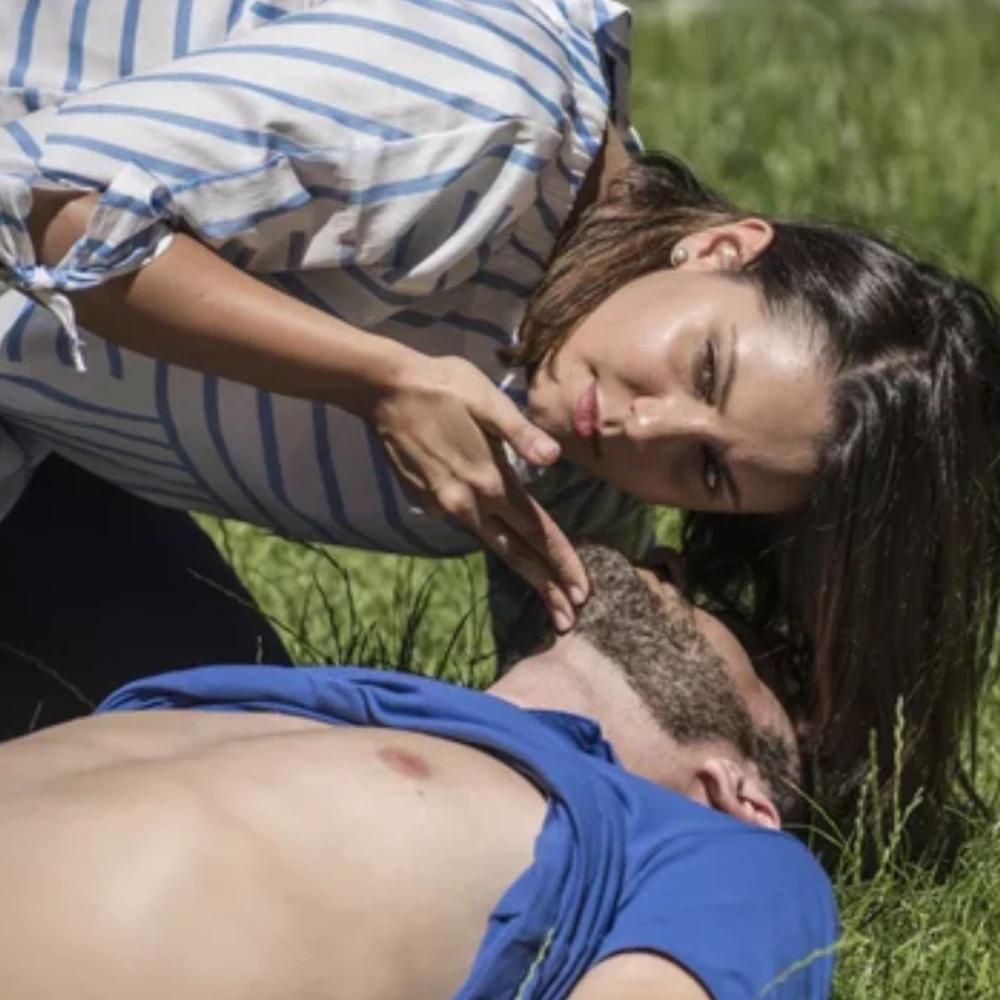 General Public
CPR/AED – General Public (4h)
This 4-hour training is designed to equip participants with the knowledge and confidence needed to intervene effectively during life-threatening emergencies. Focused on rapid and adapted responses, it teaches essential techniques for managing critical situations, significantly increasing survival chances. Aimed at the general public, this program emphasizes hands-on practice, realistic simulations, and teamwork, making it ideal for those who want to be prepared for emergencies at home, at work, or in public spaces.
 CSA Z1210-17
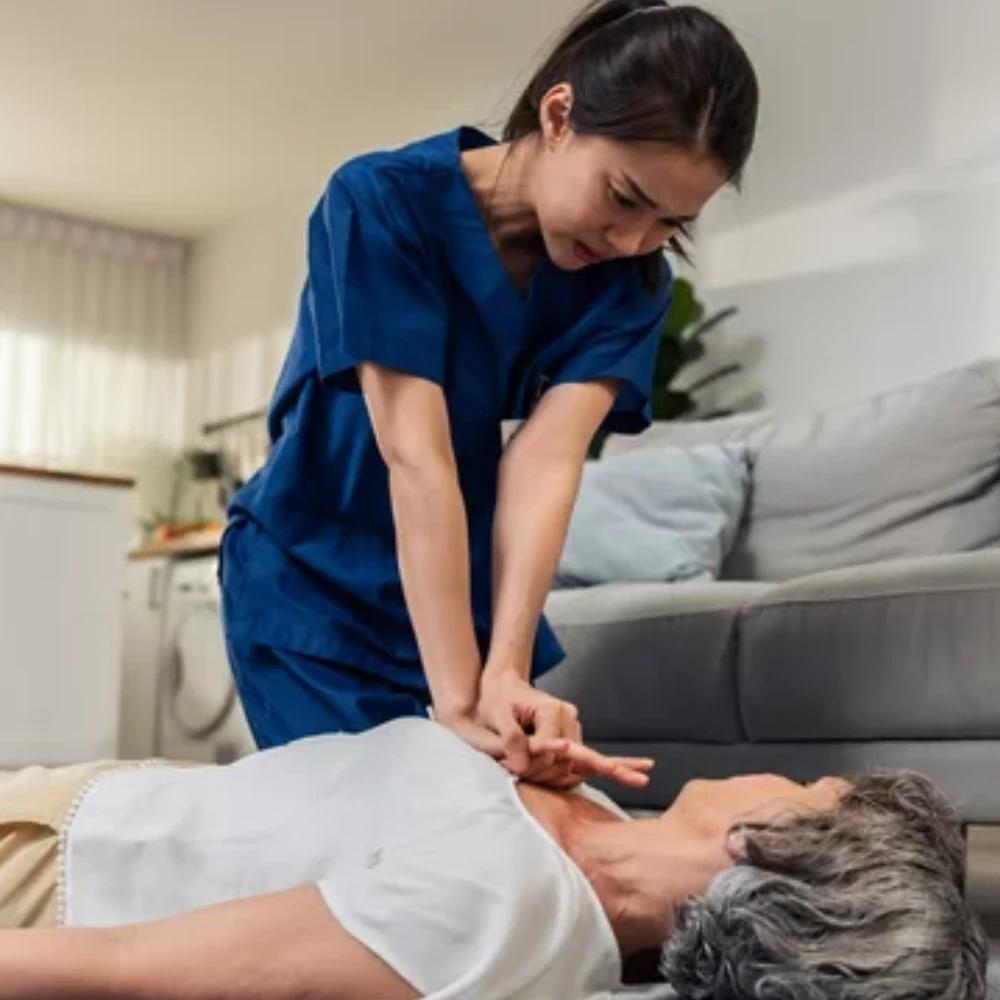
First Aid – Intermediate Level (16h) – CSA Z1210-17 Compliant
Upon successful completion of this 16-hour IN-PERSON intermediate-level first aid training, the candidate will receive a valid certification that meets the requirements of 'Intermediate First Aid Training' as defined in the CSA Z1210-17 standard.
 General Public
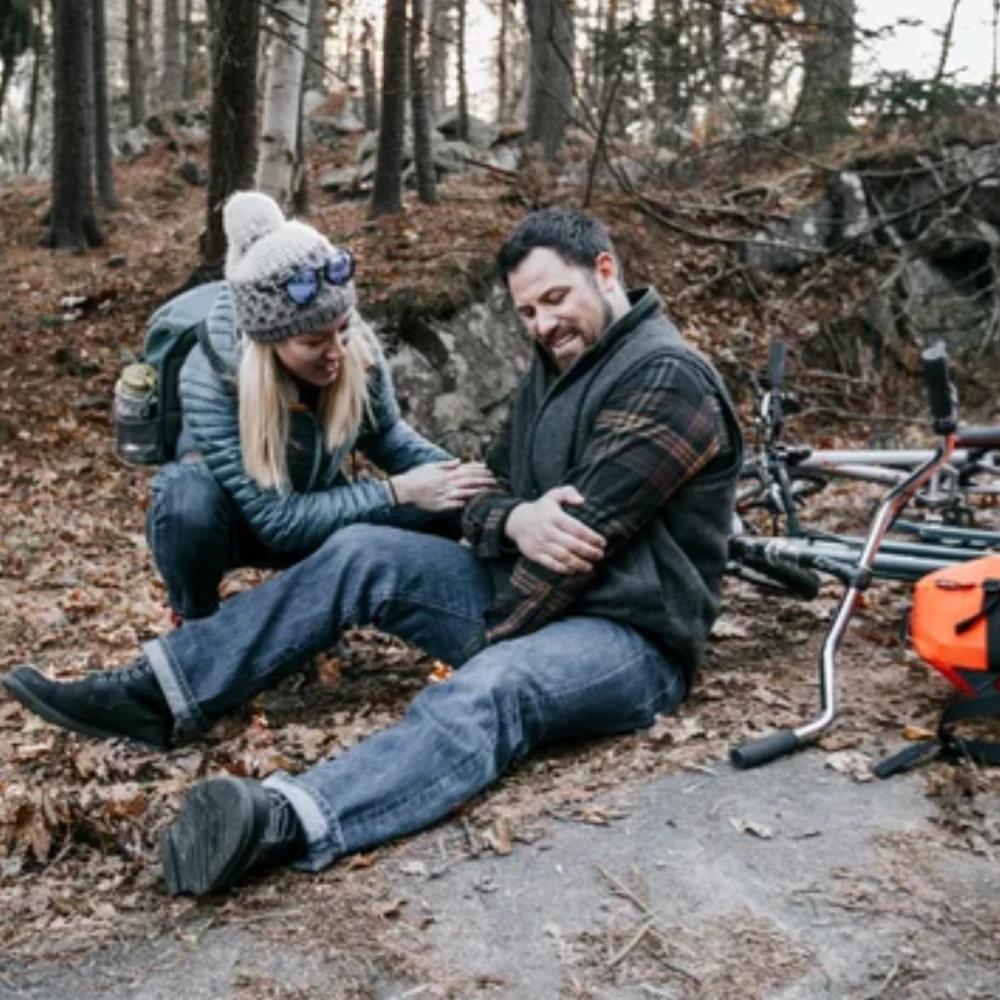
First Aider – General Public (8h)
This 8-hour training, designed for the general public, provides essential knowledge for effective emergency intervention. It is intended for anyone wanting to learn first aid skills, such as cardiopulmonary resuscitation (CPR), wound and bleeding management, or the handling of critical situations. Accessible and practical, this course develops vital skills for protecting and rescuing loved ones or anyone in danger, thereby strengthening community safety.
 Healthcare Professionals
CPR/AED – Healthcare Professional (5h)
Designed for healthcare professionals, this 5-hour training provides comprehensive preparation for effective intervention during life-threatening emergencies. It emphasizes best practices, team coordination, and the use of essential tools for managing critical situations in clinical or prehospital settings. Recognized and tailored to the needs of medical responders, this training leads to an essential certification for ensuring the safety of patients and care recipients.
 Early Childhood
First Aider – Early Childhood (8h)
This training is specially designed for educators in childcare settings. It enables them to acquire essential skills for responding to medical emergencies involving young children, particularly infants and preschool-aged children. The training covers the management of severe allergies, cardiopulmonary resuscitation, obstructed airway management and injuries, as well as emergency action plans. Available online, hybrid, or in-person, this training complies with the requirements of the Ministry of Family. It ensures the safety of children and the peace of mind of parents.
 General Public
General First Aid – Covering Infant and Child CPR (8h)
Our general first aid training, covering infant and child CPR, is designed for parents, caregivers, teachers, and early childhood professionals in Quebec. Compliant with the Educational Childcare Act (R.S.Q., c. S-4.1.1, s. 20), administered by Ministry of Family (CPE licensing). 8-hour course, 3-year certification.
Your legal requirements in India
What the law actually requires where you are — summarized from our jurisdiction guides. Open any topic for the full details.
India's Factories Act, 1948 (s.45) requires at least one first-aid box per 150 workers, each in the charge of a separate person holding a first-aid certificate recognised by the State Government, with an ambulance room required in factories employing more than 500 workers. The Act is being progressively subsumed by the Occupational Safety, Health and Working Conditions Code, 2020.
India's National Minimum Guidelines for Crèches (2024) and the National Crèche Scheme require every crèche to keep a first-aid kit and a medical kit on the premises, but first aid/CPR certification for staff is advised rather than mandated, with no minimum number of certified staff fixed. Oversight is shared by the Ministry of Women & Child Development and the Ministry of Labour & Employment.
Under the Motor Vehicles Act 1988 (s.134A, as amended in 2019), a Good Samaritan is shielded from any civil or criminal action for injury or death of the victim resulting from negligence while rendering assistance. The protection derives from SaveLIFE Foundation v Union of India (2016) but is limited to motor-vehicle accidents and does not cover general medical emergencies.
Under the INC (Continuing Nursing Education) Regulations 2019, a registered nurse in India must earn 30 CNE credit points per year (150 over five years) as a condition of registration renewal, with Basic Life Support listed among recommended CNE topics. Keeping BLS and CPR skills current and documented is a recognised way of meeting that professional expectation.
In India's old-age homes and assisted-living residences, care is delivered by General Duty Assistants trained under the Healthcare Sector Skill Council (HSSC/NSDC) qualification (around 460 hours), which embeds first aid as an internal component. A standalone first-aid or CPR certificate is not sufficient on its own but is an expected, periodically renewed complement to the full GDA training.
Foster care in India is governed by the Juvenile Justice (Care and Protection of Children) Act, 2015 and the MWCD's Model Guidelines for Foster Care, with approval resting on a home study by the Child Welfare Committee and District Child Protection Unit. There is no single national first-aid statute, but a current first-aid and CPR certificate from a recognised provider is commonly encouraged as good practice.
Online CPR and first aid training is recognized in India: online theory is permitted while the mandatory hands-on skills assessment is completed in person with a recognized provider, a blended model standard for the statutory workplace first-aider certificate. Certification is valid for 3 years and built on the ILCOR 2025 Consensus on Science.
Who we are
We offer high-quality CPR and first aid training. Our unique 100% online formula allows you to acquire at your own pace the tools needed to be ready to intervene in an emergency.
Our instructor Michael S. Thompson has over 20 years of field experience in paramedical ambulance care and first aid training.
Discover our coursesRecognized certifications
Accepted by employers, daycares, and schools across Canada and the United States
Flexible learning
Progress at your own pace, pick up where you left off
Accessible anywhere
Computer, tablet, or phone — your training follows you
Proven pedagogy
Videos, simulations, and interactive quizzes
Ongoing support
Team available by email and live chat
Learn more easily
with our fully online courses
Our high-quality courses are delivered through a user-friendly interface that simplifies your learning experience. Plus, you will receive a nationally recognized certification.
Stand out in the job market
Get your required CPR or First Aid certification.